
The Crypto Accounting: Marshalling, Managing, and Distributing Bitcoin and Other Crypto Assets in Trusts and Estates
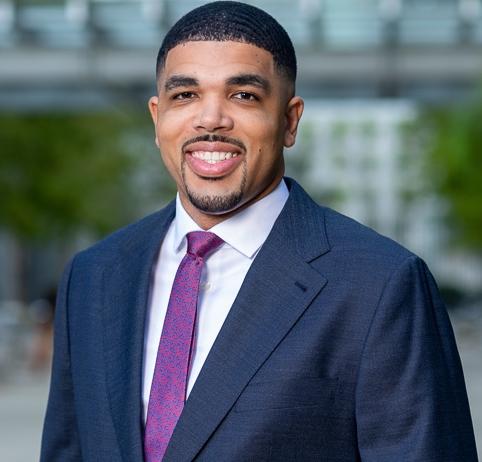
Kevin Bryce Jackson is a partner in the trust, estate and inheritance disputes team at the law firm, Withers. Based in Los Angeles, Kevin is experienced in representing individuals and fiduciaries in a wide range of contested trust and estate matters in probate court and on appeal, including will and trust contests, breach of fiduciary duty cases, accounting actions, disinheritance proceedings, judicial construction, modification, and termination of trusts, financial elder abuse claims, contested conservatorships and guardianships, and related civil claims. Kevin has litigated cases in state court, federal court, and administrative proceedings.
Kevin also assists his clients with estate planning and the administration of trusts, probates, conservatorships, and guardianships. He advises his clients on implementing practical estate planning strategies and avoiding litigation pitfalls during the administration process.
Kevin is a member of the Executive Committee of the Trusts and Estates Section of the California Lawyers Association (TEXCOM). He has been recognized as a Super Lawyers Rising Star on multiple occasions and as a Best Lawyers "One to Watch." Kevin has also taught as an adjunct professor in estate planning at the University of San Francisco School of Law.
The Crypto Accounting: Marshalling, Managing, and Distributing Bitcoin and Other Crypto Assets in Trusts and Estates
This program provides practitioners and fiduciaries with a practical framework for identifying, safeguarding, valuing, and administering cryptocurrency and other digital assets in trusts and estates. Using real‑world scenarios, attendees will learn how blockchain technology and private keys fundamentally change asset ownership, access, and control, and why traditional estate planning assumptions often fail in the crypto context. The presentation will also cover the current state of crypto adoption, custodial versus non‑custodial wallets, planning for incapacity and death, fiduciary duties in relation to crypto, valuation and tax considerations, and best practices for marshaling, accounting for, and distributing digital assets while minimizing risk and liability.